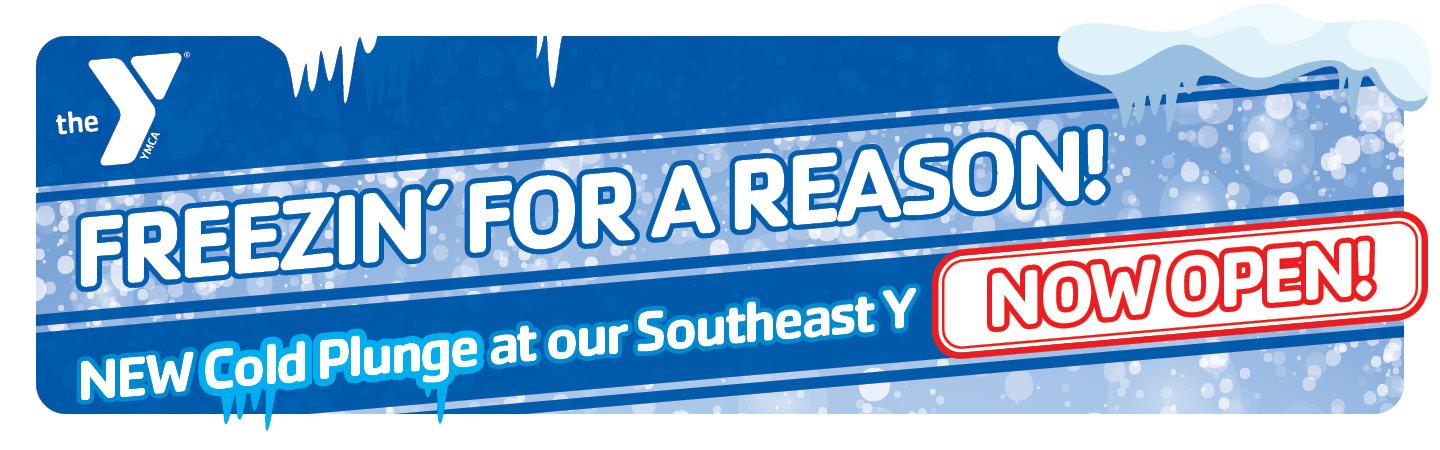
Cold Plunge
Ages 18+
Southeast Y
The Monroe County YMCA is excited to offer cold plunging at our Southeast Y: coming soon!
Cold plunging involves immersing yourself in cold water, which studies have shown could bring benefits, such as:
• Ease sore muscles
• Help focus
• Decrease inflammation
• May improve mood
Rates are $15 per plunge for both members and non-members.
Take the plunge by scheduling with our Welcome Center!
Questions?
Mike Pedroni
Aquatics Director
(812) 961-2178
info@monroecountyymca.org
Why Try a Cold Plunge?
Collapsible
Exploring the Science Behind This Refreshing Wellness Practice
Cold plunging—also known as cold-water immersion—has been used for centuries across cultures as a way to refresh the body and sharpen the mind. In recent years, it has gained renewed attention in fitness and wellness spaces, including YMCAs across the country. But beyond the initial shock of the cold, what does the science say?
Here’s a closer look at how cold plunging can support physical recovery, mental well-being, and overall health—when used safely and intentionally.
Supporting Muscle Recovery and Reducing Soreness
One of the most well-studied benefits of cold plunging is its role in post-exercise recovery. Cold water causes blood vessels to constrict (vasoconstriction), which can limit swelling and reduce the buildup of fluid in stressed muscles. After leaving the cold water, blood flow increases again, helping flush out metabolic waste products associated with soreness.
Multiple systematic reviews have found that cold-water immersion can significantly reduce delayed-onset muscle soreness (DOMS), particularly after intense or unfamiliar physical activity¹². This is why cold plunges are commonly used by athletes—but they can also benefit recreational exercisers and active adults.
Boosting Circulation and Cardiovascular Response
Cold exposure creates a strong, but short-lived, stimulus for the cardiovascular system. When the body enters cold water, heart rate and blood pressure temporarily rise as the body works to maintain its core temperature. Over time, repeated cold exposure may help the body adapt to these stressors more efficiently³.
Research suggests that controlled cold exposure may improve vascular function and circulation by promoting greater responsiveness of blood vessels⁴. While cold plunging is not a replacement for cardiovascular exercise, it may complement an active lifestyle when used safely.
Enhancing Mental Clarity and Stress Resilience
Cold plunging doesn’t just affect the body—it also influences the brain and nervous system. Cold exposure activates the sympathetic nervous system and leads to increased release of norepinephrine and endorphins, chemicals associated with alertness, mood regulation, and focus⁵.
A large systematic review found evidence of short-term stress reduction and improvements in perceived well-being following cold-water immersion, particularly several hours after exposure⁶. Many people describe feeling mentally “reset” or more clear-headed after a plunge—an effect that may be linked to these neurochemical changes.
Building Resilience Through Hormetic Stress
Cold plunging is often described as a form of hormetic stress—a brief, manageable stressor that encourages the body to adapt and become more resilient. Similar to exercise, small doses of stress followed by recovery can help strengthen physiological systems over time⁷.
Emerging research suggests that repeated cold exposure may influence metabolic health, inflammation regulation, and even cellular repair mechanisms such as autophagy, though this area of study is still developing⁸.
Potential Immune and Wellness Benefits
Some studies have observed associations between regular cold exposure and fewer sick days, though results are mixed and mechanisms are still being investigated⁶⁹. Researchers emphasize that cold plunging should be viewed as a supportive wellness practice, not a stand‑alone solution for immune health. Adequate sleep, nutrition, physical activity, and stress management remain foundational.
Safety First: What to Keep in Mind
Cold plunging is not for everyone. People with cardiovascular conditions, respiratory issues, or other medical concerns should consult a healthcare professional before trying cold-water immersion. Short durations, supervised environments, and gradual exposure are key to a safe experience¹⁰.
At the YMCA, safety remains a top priority. Supervision, clear guidelines, and a supportive environment help ensure that members can explore new wellness tools with confidence.
Cold Plunge, Warm Welcome
Whether you’re recovering after a workout, exploring new ways to manage stress, or simply curious about the benefits of cold exposure, a cold plunge offers a refreshing opportunity to support healthy spirit, mind, and body.
As always, we encourage members to listen to their bodies, start slowly, and choose what feels right for their individual wellness journey.
References
- Ma, J. et al. (2025). Comparison of the Effects of Cold-Water Immersion on Muscle Fatigue Recovery. Life (MDPI).
- Mayo Clinic Health System. (2024). Cold-water plunging health benefits.
- Espeland, D. et al. (2022). Health effects of voluntary exposure to cold water. International Journal of Circumpolar Health.
- Kunutsor, S. K. et al. (2024). Cold water therapy and cardiovascular health. GeroScience.
- Stanford Lifestyle Medicine. (2024). Mental health benefits of cold water immersion.
- Cain, T. et al. (2025). Effects of cold-water immersion on health and wellbeing. PLOS ONE.
- ScienceInsights. (2026). Hormesis and immune response in cold exposure.
- King, K. et al. (2025). Cold plunges and cellular stress response. Advanced Biology.
- ScienceDaily / University of South Australia. (2025). Cold-water immersion and stress, sleep, and quality of life.
- Mayo Clinic Health System. (2024). Cold plunge safety considerations.
How to Take the Plunge
Collapsible
Coming soon!
